
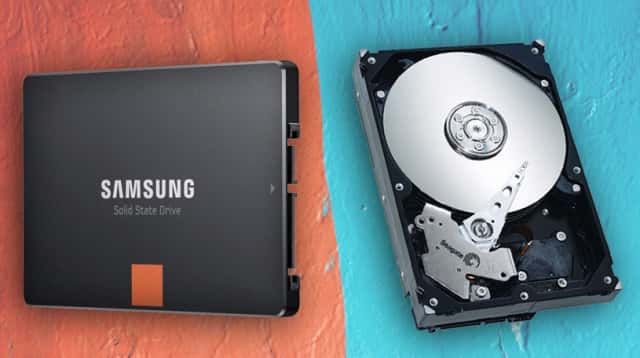
We only use hi-spec enterprise SSDs from Samsung, guaranteeing the fastest shared hosting. Load balancing banishes downtime: there’s no single point of failure.
While HDDs rely on moving parts, SSDs (Solid State Disk) rely solely on electronics with no moving parts, making it a lot more reliable and much faster. They function similarly to USB drives.
SSD Disks use non-volatile memory for storing information. Unlike RAM, they won’t lose any of said information once the power is switched off. They store data on microchips, so they have no moving parts which makes them more resistant to shakes and have much less delays when they read/write data.
In terms of functionality, they are no different from regular HDDs, but they offer significantly more speed. While HDD’s speed can be 15-20 milliseconds, SSDs have 0.2 millisecond read/write speeds. This makes it obvious that SSDs will offer a much better functionality.
These benefits also apply to web hosting performance. Speed is a crucial part of modern data-driven websites. Users expect webpages to load in less than three seconds. It’s obvious that the medium that you store a website on, affects the speed at which it is delivered to users.
SSD drives are about 3 times faster than HDDs, so you have an obvious reason to choose them, but they are about 4 times more costly.